Interview with Studio Underd0g
 Berk OztoprakAuthor

I, Berk Öztoprak, have been regularly creating content about mechanical watches for the past two years. On this journey with Bersenti, I never imagined I would interview such a fantastic micro-brand as Studio Underdog. I'm happy to share this with you and now I leave you to enjoy the interview.
The watchmaking world is often built on heritage, history, and seriousness. How did you transform a "fun/playful" approach into a viable business model?
It turns out that playfulness, when grounded in honesty and solid design discipline, can be quite a powerful tool. Studio Underd0g's idea was never to mock the industry for the sake of mockery. I simply asked myself, "Why does everything always have to be so serious?" The key was to balance a seemingly fun first impression with genuine substance and seriousness underneath.
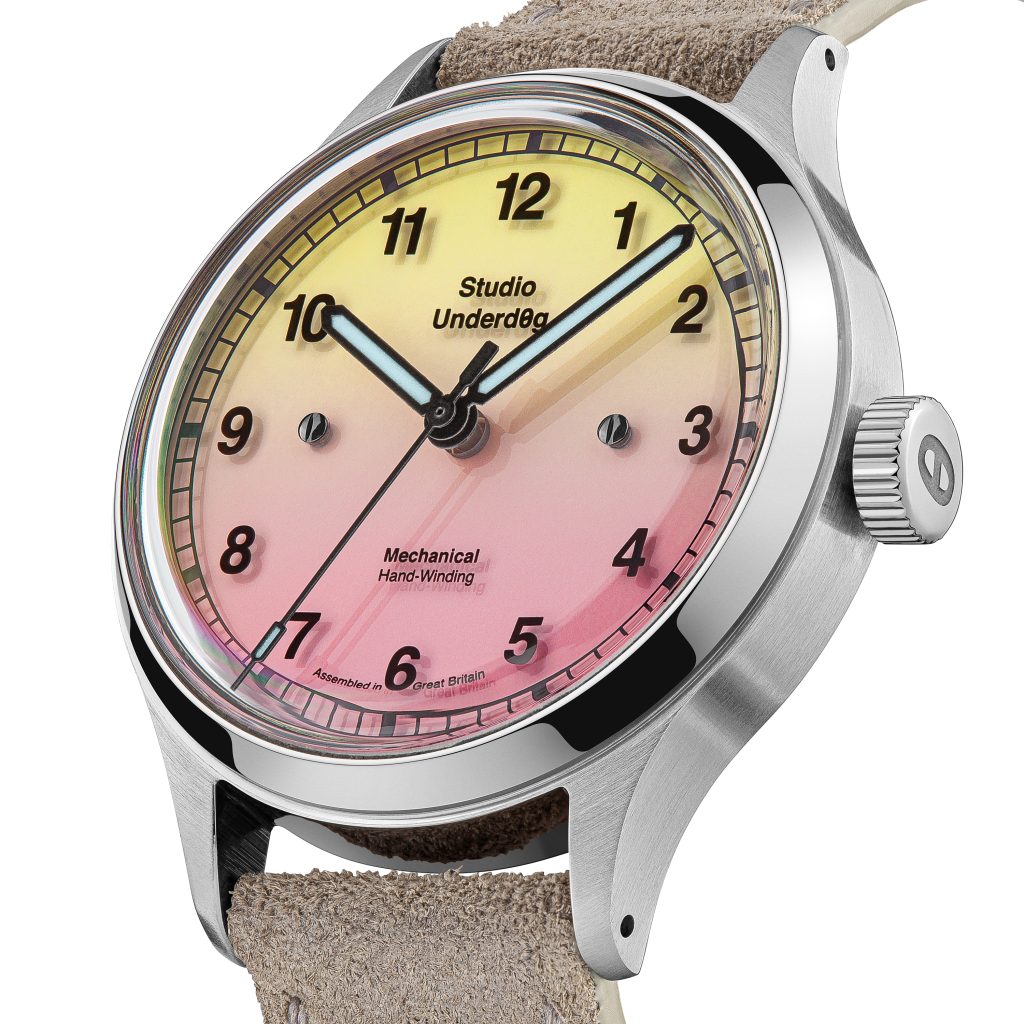
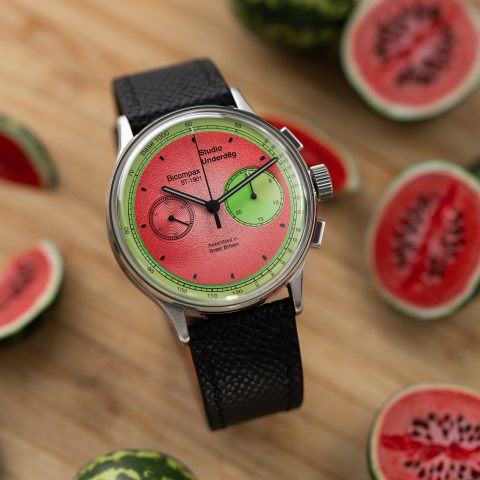
Collectors are incredibly smart; they can spot a number one from miles away. That's why it was vital to me that the materials, finish , and movement choices could proudly stand alongside more traditional alternatives. Once people realized that the Watermelon wasn't a "joke" watch, but a refined mechanical chronograph with subtle details, playfulness became a strength, not a weakness.
In a way, this contrast is what set us apart. The design language invited people in; the technical features kept them staying.
You said it started as a joke or a passion project. When did it feel like "a real job"?
Early on, there was a moment when I shared a few renders in a Microbrand Facebook group and comments started coming in faster than I expected. At first, I thought people were being polite; but when the messages turned into requests to "we want to buy," things made sense.
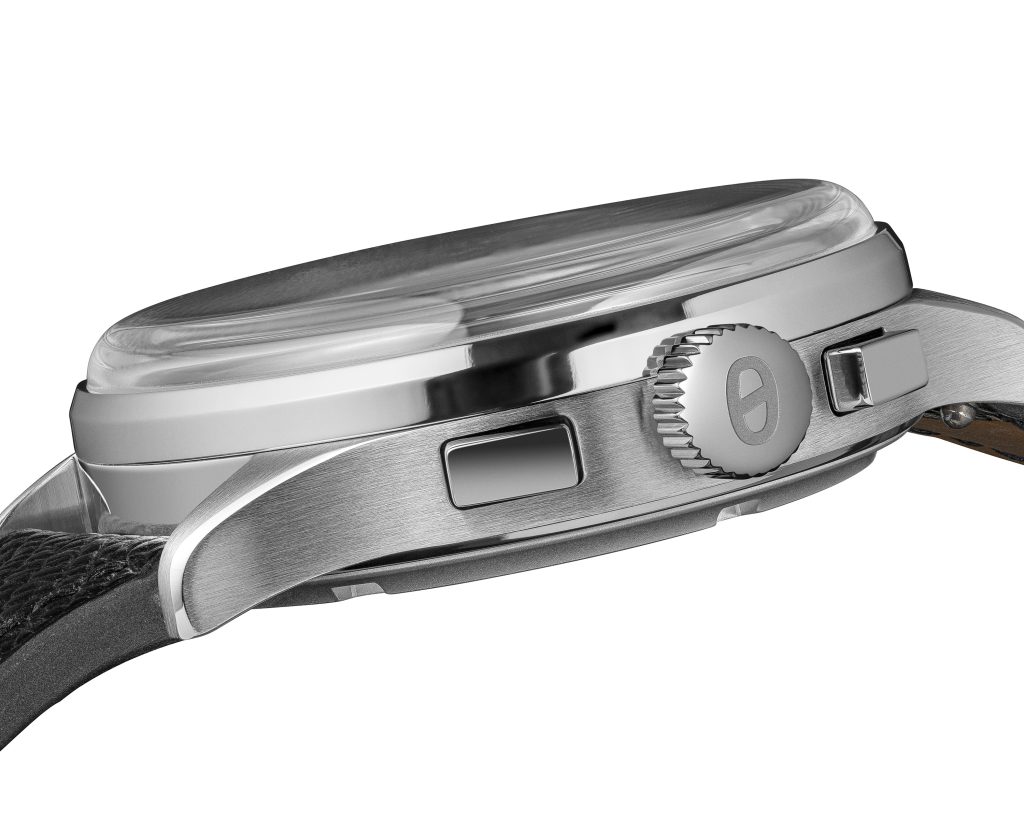
The real turning point was seeing the support I received after the official launch. I quickly realized that this was no longer a personal design experiment. People were trusting me to deliver a product, and that responsibility changed everything. That's when the fun hobby turned into something much more serious.
Food-themed hours are unusual. How do you choose the next “flavor”? Does color or concept come first?
It usually starts with a color palette. I find myself drawn to a particular color combination, and then the theme naturally follows. Sometimes it's a taste idea, a spark for an idea for the dial application; but most of the time, the palette defines the concept.
I love that space where the designs are light, playful, but still “thought-out.” The challenge is to avoid being too literal. The watch should evoke a certain taste, but not look like a costume. That balance takes time and requires many prototypes.
Which model has been the most difficult to produce to date?
Definitely Pink Lem0nade. It's a completely luminous "sandwich dial" that looks simple on paper, but the amount of testing required to achieve an even glow, crisp cuts, and clean layers was far more complex than I expected. Even the smallest imperfection is immediately noticeable on a luminous surface.
This model was a significant technical leap for us and forced us to refine processes I hadn't needed to before. It was a great learning experience, but once everything fell into place, it was very satisfying.
Both the Series 01 and the new Series 03 Monopusher are hand-wound. Is "forcing" the user to wind the watch a conscious choice?
Yes. Establishing a physical connection between the user and the mechanism is something special. A wind-up mechanism requires you to participate in the ritual of keeping it alive.
It also connects to the vintage inspiration of many of our silhouettes. The act of setting it up slows you down for a brief moment. In a world full of screens and automation, that little gesture feels quite "grounding." So it was partly a design choice, but also an emotional one.
If you could create a watch with any brand or person outside of the watchmaking world, who would you choose?
If I had to choose anyone, it would be Virgil Abloh . His ability to blend culture, design, and storytelling so intuitively was incredible. He had a rare talent for taking something familiar and, by simply shifting the perspective, instantly making it feel new. That approach resonates strongly with my own approach to watch design.
How do collaborations generally develop? Do you adapt to your partners, or do you impose your own design language?
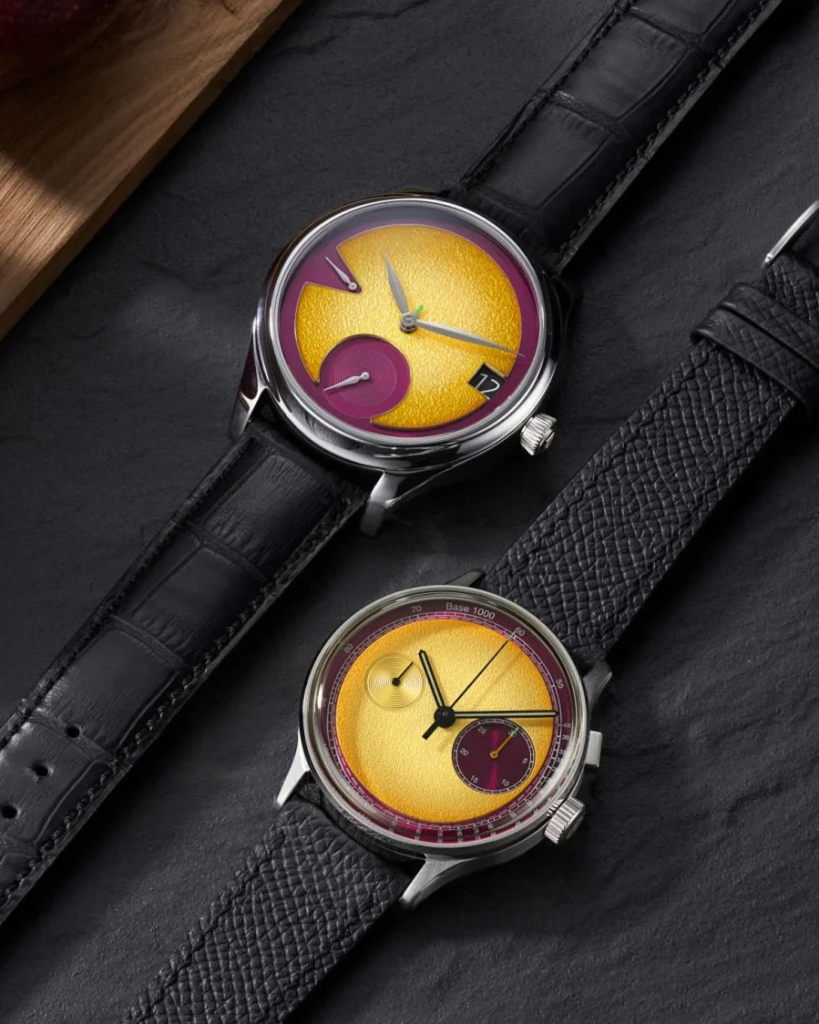
It's always about balance. The first step in collaboration is learning what your partner is passionate about and understanding the values they bring to the table. Once a shared vision is established, I begin building a design language around it.
I never want a collaborative piece to feel like it could exist without the partner. But it also has to stay true to the spirit of Studio Underd0g. The sweet spot is where both identities are felt and neither overpowers the other. The best collaborations are about “communication,” not “compromise.”
Has community feedback led to any design changes or cancellations?
Honestly, regarding design, the answer is: No. Studio Underd0g's success began the moment I stopped trying to guess what the market wanted and started designing entirely for myself. That mindset formed the brand's identity; that's why I'm so protective of it.
Of course, I value the community and listen carefully on practical matters. But when it comes to the creative core, I try to "put on my glasses" and look ahead. Sometimes it's important to cut out the noise and stay true to the instincts that brought us here. If I start designing with the committee, the magic is lost.
So feedback is always valuable; but the design DNA remains unchanged.
Have you ever found a flavor or color combination that was too "outlandish" to produce?
Yes. I have a folder on my computer full of ideas that should never see the light of day!
Sometimes the best idea is the one you decide not to pursue.
Pineapple on pizza?
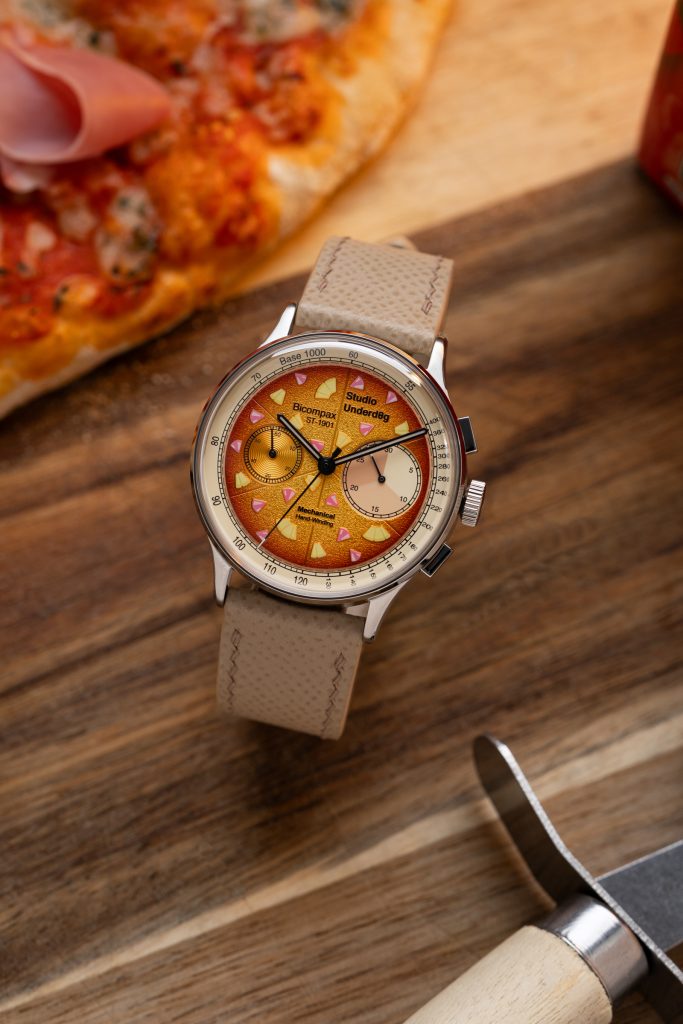
I'll probably be judged for this, but yes. Pineapple is fine. A little sweetness never hurt anyone.
Where do you see Studio Underd0g in the next 5 years?
I hope Studio Underd0g continues to push creative boundaries without losing its sense of humor and community-focused approach. I want to see them exploring color in unexpected ways; offering new formats and complications that feel fresh in the world of microbranding.
I am also very committed to playing a meaningful role in the resurgence of British watchmaking. We are already one of the largest assemblers in the UK; perhaps even the largest, and I want to take that even further. There is real momentum in British watchmaking, and I would like Studio Underd0g to contribute to accelerating that progress through innovation, collaboration, and investment in local talent.
If we can continue to surprise people creatively while also strengthening the British manufacturing story behind the brand, that's exactly the direction I want to go for the next five years.
This is not sponsored content. It is news content.
Keep reading
Related readings to this article