What is Jump Hour? How does the jumping hour display on watches work?
 Berk OztoprakAuthor

Jump hour is one of the most enjoyable complications in the watch world. Because it shows the time not with the feeling of the "hour hand ticking," but with a clear, jerky movement of one hour hand jumping to the next . It may seem short, but there's a serious mechanical idea behind it.
What is Jump Hour?
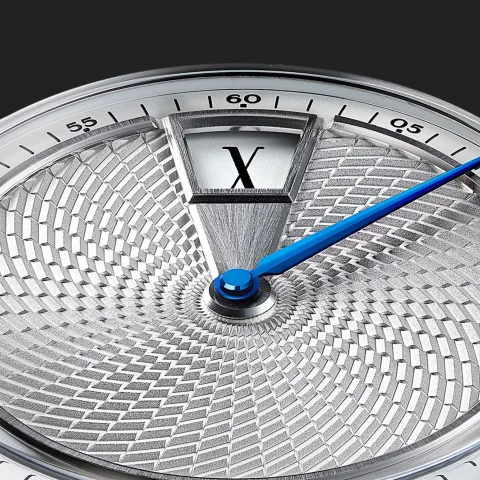
Jump hour clocks typically display the time in a window. The current hour digit remains fixed at a certain point, then suddenly jumps to the next digit when the exact time arrives . So, instead of a gradual transition like a classic hour hand, there's a visible jump.
Therefore, the jump hour is a complication with a lot of character, both technically and visually. It may seem minimalist, but there is actually a logic of energy and release inside the watch that holds the time and moves it forward at the right moment.

How does it work?
The logic is simple, but the solution is intricate. The hour disc is held in place by a spring or similar energy-storing mechanical device. When the minute mark is reached, this energy is released, and the disc moves to the next hour. To the user, this appears as a small jump; from the mechanism's perspective, it is a controlled release and locking mechanism.
Therefore, jump hour watches are not only a design choice but also an example of mechanical organization. They also open up a powerful creative space for many brands that want to tell time differently.
Why does it attract the attention of watch enthusiasts?
Because the jump hour complication transforms the clock into a more “graphic” and architectural object. The moment you move away from the traditional hour and minute hands and adopt a window and disc arrangement, the clock becomes a different way of reading time. This creates a very fruitful area for both vintage and modern designers.
If you'd like to see concrete examples of this complication at Bersenti, the following articles would be a good match: Christopher Ward C1 Jump Hour and Otsuka Lotec No. 8. Both show very different but highly successful interpretations of the jump hour concept.
Why aren't Jump Hour watches available from every brand?
Because it's a more niche complication compared to standard timekeeping, it might not be the first choice for every user; moreover, balancing the design and mechanism is challenging. If poorly done, readability decreases, or the watch simply becomes a "strange-looking" object. If done well, it becomes unforgettable.
That's precisely why jump hour watches attract more attention among collectors. For them, it's not just about showing the time, but how the time is shown.
Resources
FAQ
What does jump hour mean?
This is a type of complication where the time is displayed as a number within a window, and this number suddenly jumps forward when the clock changes.
Are jump hour and digital clocks the same thing?
No. Although it uses windows and numbers for visual display, Jump Hour operates entirely mechanically. In other words, it doesn't have a digital display, but rather a mechanical jumping mechanism.
Why does Jump Hour attract collectors?
Because it offers both an unusual time-reading experience and allows designers to create very original dial layouts.
This is not sponsored content. It is news content.
Keep reading
Related readings to this article